
You may have seen headlines suggesting champagne is about to get higher in alcohol, after Champagne’s rules were temporarily changed for the 2026 harvest to allow wines to reach up to 15% alcohol, rather than the previous 13% ceiling.
But does that mean the next bottle of champagne you open could suddenly contain 15% alcohol? Not quite.
Behind the headlines is a much more interesting story about Champagne’s extraordinary 2026 harvest, unusually ripe grapes and a temporary change to the region’s winemaking rules.
An extraordinary 2026 harvest
The Comité Champagne has described the 2026 growing season as one of the most atypical in Champagne’s history.
After severe spring frosts, the region experienced exceptionally early flowering followed by five summer heatwaves and drought conditions.
Ripening accelerated rapidly and the first vineyards began picking on 6 August, with harvesting widespread from 17 August. The 2025 harvest had already been remarkably early, but 2026 was around two weeks earlier again — making it the earliest Champagne harvest ever recorded.
Yields have also been lower, with smaller bunches resulting from the dry conditions. The marketable yield for 2026 was set at 8,800 kg per hectare, compared with 9,000 kg per hectare in 2025.
But there is good news. The grapes arrived remarkably healthy and ripe. Early tastings of the musts have shown freshness, concentration, fruit intensity and finesse despite the unusually high levels of ripeness. The Comité Champagne says the harvest has the potential to produce great — perhaps even very great — wines.
So, is champagne really becoming 15% alcohol?
This is where the headlines need a little unpacking.
Most champagne we drink is around 12–12.5% alcohol, while the previous regulatory ceiling was 13%. For the 2026 harvest, that upper limit has been temporarily increased to 15%.
As grapes ripen, their natural sugar levels increase. With the exceptional heat and accelerated ripening in Champagne this year, the 2026 grapes reached unusually high levels of ripeness and sugar. That matters because during fermentation, yeast converts those natural sugars into alcohol — so higher sugar levels mean greater potential alcohol.
There is another important factor for champagne. Made using méthode traditionnelle (traditional method), champagne undergoes two fermentations. The first creates the still base wine. For the second, a small amount of sugar and yeast is added before the bottle is sealed. This creates another fermentation in the bottle, producing the carbon dioxide that creates the bubbles — and increasing the alcohol level at the same time.
With unusually high natural sugar levels in the 2026 grapes, some wines may therefore finish at higher alcohol levels than Champagne’s previous rules allowed. The temporary increase from 13% to 15% gives producers greater flexibility to work with these exceptional 2026 wines.
This is particularly relevant for grower champagnes produced from a single harvest and for vintage champagnes, where the wine reflects that particular year. Non-vintage and multi-vintage champagnes have greater flexibility because producers can blend wines from the 2026 harvest with reserve wines from previous years to maintain their house style and balance.
So yes, some champagne produced from the 2026 harvest may ultimately exceed 13% alcohol and could legally reach 15%. But no, champagne as a whole is not suddenly jumping from 13% to 15%.
At The Bubbles Review, we like to debunk the myths and make the art of drinking champagne and sparkling wine accessible — and this is a perfect example of why sometimes there is more to the story than the headline.
Want to know more about how champagne gets its bubbles? Explore our Champagne 101 and Tasting Techniques masterclasses, where we take you through the different methods of producing champagne and sparkling wine in more detail.
A temporary change — but a bigger conversation
The change is temporary and applies to the extraordinary 2026 harvest — it is not a permanent increase in champagne’s permitted alcohol level.
It does, however, sit within a much broader conversation taking place across Champagne about adapting to climate change. Growers and champagne houses are already managing the effects of warmer temperatures, earlier ripening and increasingly unpredictable growing conditions.
The extraordinary 2026 season — severe spring frosts followed by five summer heatwaves and the earliest harvest on record — is another striking example of those challenges.
How Champagne adapts in the longer term will continue to evolve. For now, though, the move from 13% to 15% is a temporary measure for the 2026 harvest.
Could 2026 become a great Champagne vintage?
Possibly — although it is much too early to know.
The Comité Champagne says the balance of the 2026 grapes recalls several celebrated historic vintages, including 1921, 1947 and 1959. Cellar masters also have an interesting palette to work with: the cooler, wetter 2024 harvest, warm 2025 and exceptionally hot 2026.
For now, it is far too early to predict exactly what will emerge from the cellars.
But rather than simply “higher-alcohol champagne”, the bigger story is that 2026 has delivered one of the most extraordinary Champagne harvests in modern history: exceptionally early, unusually ripe, lower yielding — and potentially capable of producing some very exciting wines.
We’ll be watching closely as the 2026 wines develop.
Want to know more about Harvest in Champagne? – see our blog here.
Want to learn more about champagne and sparkling wine methods and more? See our Bubbly Appreciation Course here
Join us for our hosted tastings with The Bubbles Reviewers Club!
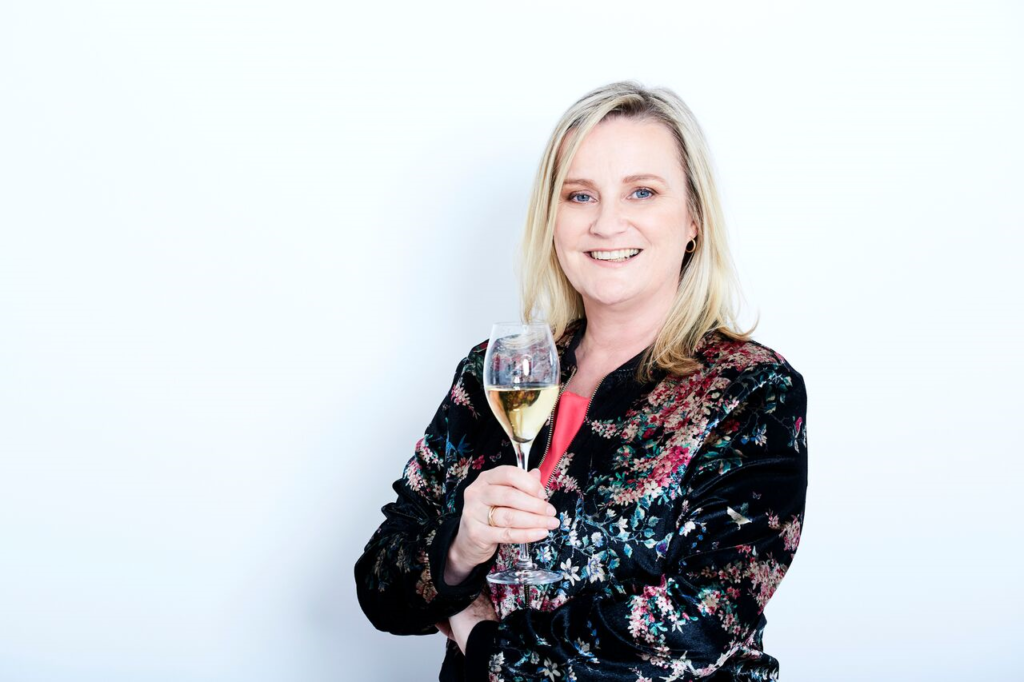
Natalie Pickett is the Founder of The Bubbles Review which is for people who like champagne and other bubbles, written by people who have a love of all things sparkling! At The Bubbles Review, we like to debunk some myths, make the art of drinking champagne accessible, explore bubbly regions and champagne bars, and provide events for you to join us and indulge.
Like to keep following us, get first look at events, receive bubbly information and be in our giveaway draws and have a chance to win a bubbly prize? You can join our list, it’s FREE to join here.

